Spacebound Experiment Dispatched by Jena Students - Students at Jena University embark on a space expedition
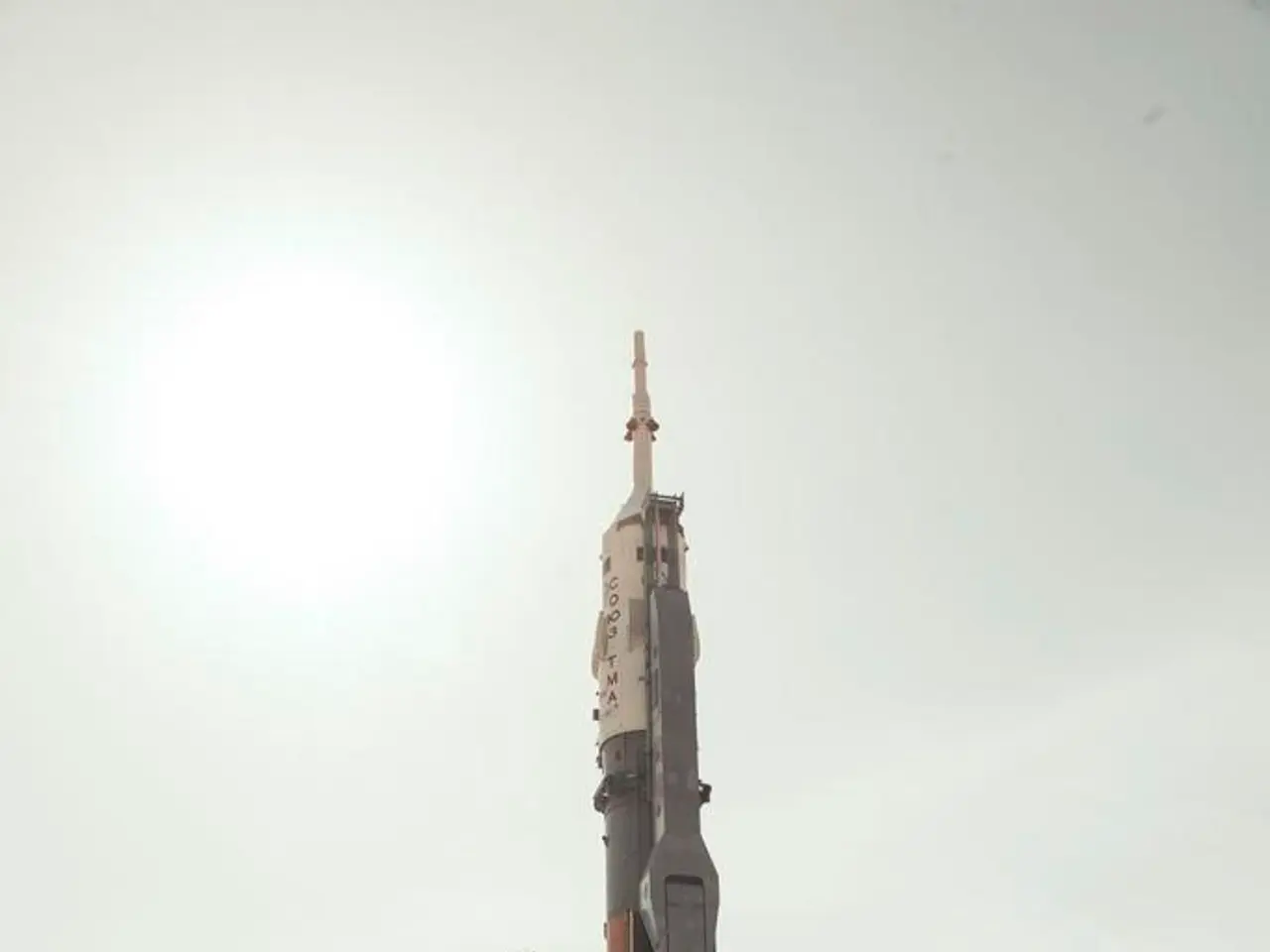
Next year, an exciting space mission is set to take off, as a project developed by students from Jena, Germany, will embark on a journey aboard NASA's Orion spacecraft. The experiment, scheduled to be part of the Tacheles satellite, aims to test a groundbreaking technology designed to protect space electronics from disturbances caused by space radiation.
The university behind this innovative endeavour is the Ernst-Abbe-Hochschule Jena, which announced the project earlier this year. The students involved in the project have described working on it as a dream come true, as they prepare to send their hardware into space.
Three compact circuit boards, along with the accompanying software, will be on board the German small satellite Tacheles, which is scheduled to launch into its own orbit after takeoff. Tacheles, a part of this NASA mission, will serve as a platform for testing the students' technology designed to protect space electronics from radiation disturbances.
The technology being tested by the students is crucial for ensuring the longevity and reliability of space missions, as space radiation can significantly impact the performance and lifespan of electronic components in spacecraft. If successful, this experiment could pave the way for future space missions, offering improved protection for space electronics and extending their operational lifetimes.
Stay tuned for updates on this exciting project, as the students from Jena, Germany, prepare to make history with their innovative space radiation protection experiment on the Tacheles satellite. For more specific information about this mission or experiment, we encourage you to check NASA's website, search for academic papers, or reach out to the University of Jena or the organization responsible for the Tacheles satellite.
The university's community policy may need to address the participation of students in extracurricular projects such as the Tacheles satellite mission, considering the potential impact on their academic workloads and future employment prospects. This space mission, involving the testing of a radiation protection technology, intersects with the field of science and technology, advancing our understanding of space-and-astronomy and contributing to the development of more robust employment policies.