Shared increase in retail leasing, with shopping centers adjusting to accommodate Gen Z's preferences and Q-commerce advancements
India's Retail Real Estate Shows a Notable Shift in Strategy for H1 2025
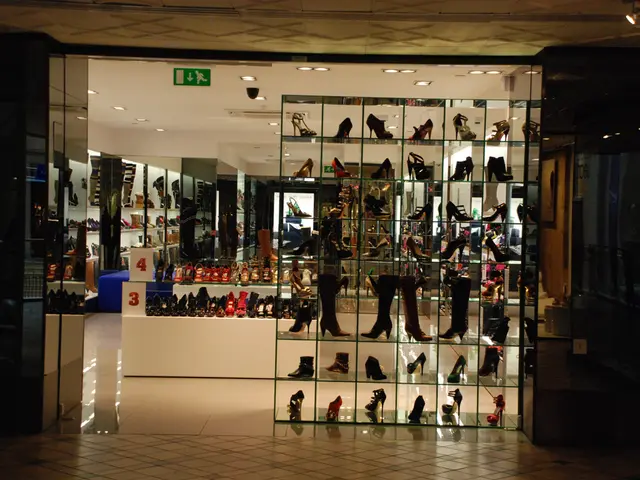
The retail real estate market in India is experiencing a significant transformation, with a clear focus on reviving physical retail infrastructure and aligning with the changing preferences of today's tech-savvy consumers. According to Anuj Kejriwal, CEO & MD of ANAROCK Retail, this shift is evident in the leasing share of apparel and food & beverage (F&B) categories, which has changed significantly over the years.
Revival of Physical Retail
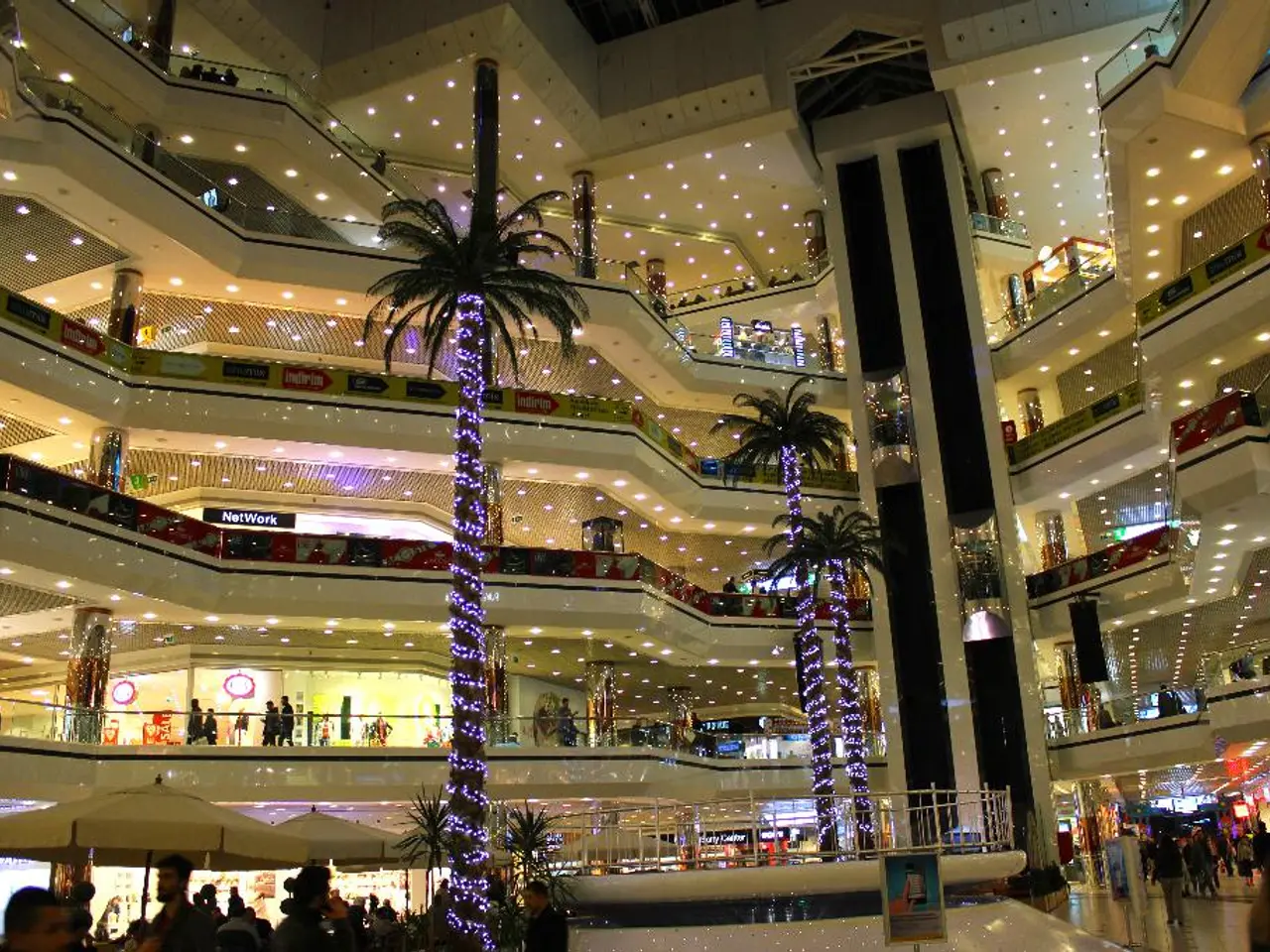
Retail's share of total real estate investments rose significantly to 13% in H1 2025 from nearly negligible levels a year earlier, indicating renewed investor interest and growth in physical retail spaces. This revival is driven by the aspirations of consumers who prioritize personal and lifestyle experiences.
Focus on Apparel, F&B, and High-Value Consumption Categories
Within retail real estate, there is a shift towards catering to apparel, food & beverage, and high-value consumption categories, which encompass jewellery, beauty & wellness, and sports sectors. These categories are being prioritized to match evolving consumer demands and lifestyle trends.
Investor Activity
Institutional investors and REITs are actively searching for quality retail assets, notably in key metro cities such as Mumbai and Bengaluru, which have emerged as hotspots with substantial inflows. The focus is on retail portfolios with long-term lease visibility and experiential retail, supporting sectors like F&B and high-value luxury consumption (jewellery, beauty & wellness), which require premium and well-located spaces for sustained growth.
Consumption-Driven Demand
This strategic shift aligns with the broader economic trend where consumers increasingly seek premium and lifestyle-oriented retail experiences, prompting developers and investors to tailor retail real estate accordingly.
Growth in the Jewellery Segment
The jewellery segment's share of retail leasing is projected to reach 13% by FY30, a significant increase from 2% in FY19. This growth is indicative of the increasing importance consumers place on personal and premium experiences.
Retail Transforming Beyond Traditional Stores
The report underscores that retail is moving beyond traditional stores to tech-enabled, customer-focused formats. Retailers are moving towards hybrid, experience-first, and omni-channel strategies to strike a balance between online convenience and offline engagement, catering to the preferences of the younger generations who prioritize quick, customized, valuable experiences influenced by digital platforms and social media.
Apparel and F&B Lead the Pack
In H1 2025, apparel and food & beverage brands accounted for a combined 54% of the total leased space, up significantly from 37% in 2023. Apparel brands led the pack with 33% of the leased space, followed by F&B brands with 21%, entertainment zones with 16%, and home and lifestyle brands with 11%.
In summary, the shift in India's retail real estate strategy in H1 2025 emphasizes physical retail revival with a strategic focus on apparel, F&B, and high-value consumption categories such as jewellery, beauty & wellness, and sports. This represents a move towards curated retail environments supporting lifestyle and premium consumption trends, indicative of a paradigm shift in Indian retail, aligning with the preferences of modern consumers for convenience, tech integration, and emotional resonance.
[1] ANAROCK Research, "India Retail Real Estate Market Outlook 2025" [2] ANAROCK Research, "India Retail Real Estate Investment Trends 2025"
In this shifting lifestyle landscape, technology plays a crucial role in aligning retail real estate with the evolving preferences of today's consumers, as retailers transition towards tech-enabled, customer-focused formats.
The rise in consumer-driven demand for premium and lifestyle-oriented retail experiences encourages a focus on apparel, food & beverage, and high-value consumption categories, which are embracing technology as a means to enhance their offerings and match contemporary lifestyles.