Impact of Digital Learning Tools in Nigerian Schools' Learning Spaces
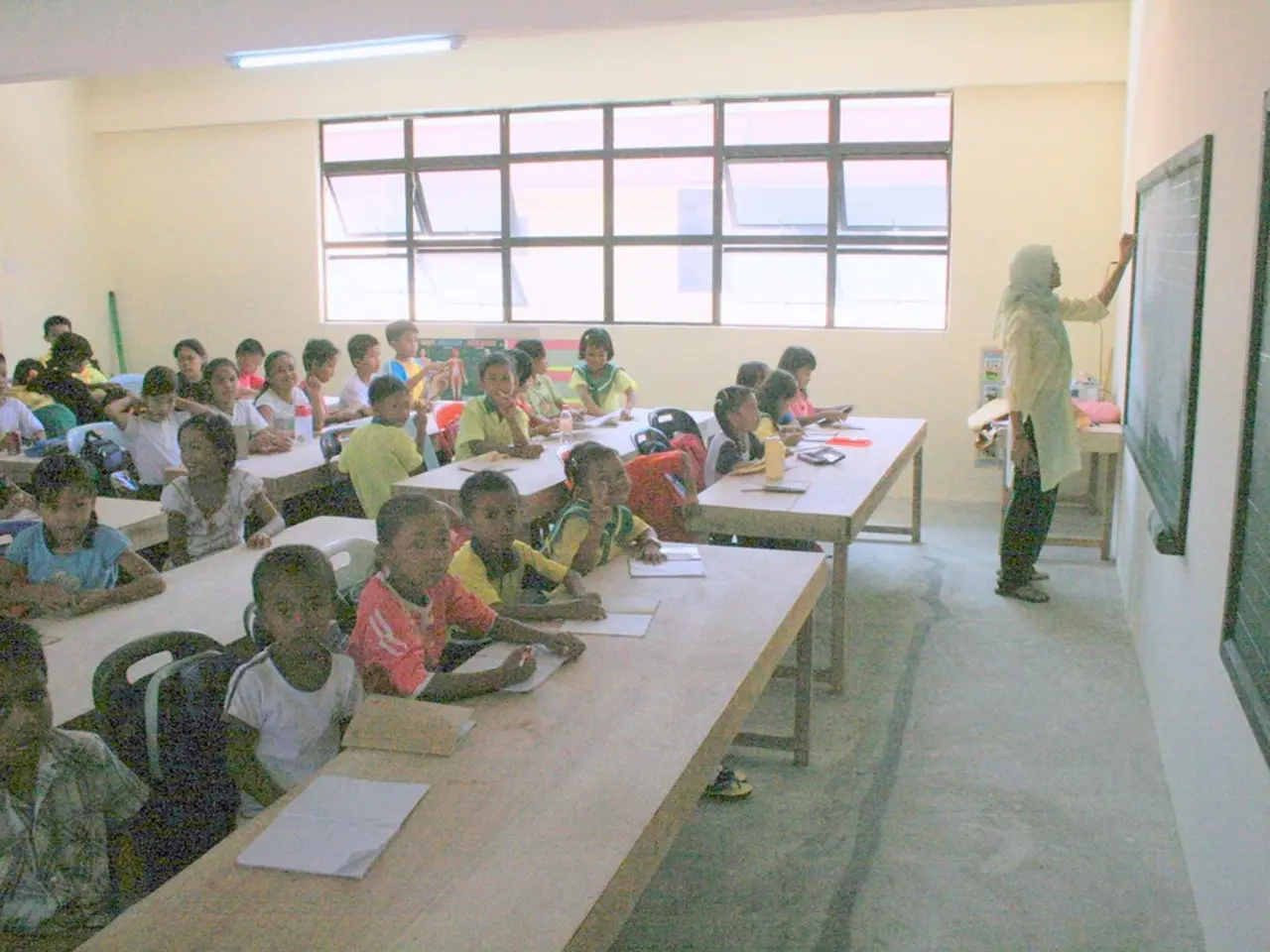
Nigeria, a country with a growing population and a vast educational system, is embracing the potential of educational technology (EdTech) to enhance learning experiences and improve access to quality education. However, the integration of EdTech faces several challenges.
Current Challenges
The current challenges in incorporating EdTech in Nigerian classrooms include:
- Inadequate funding and poor implementation of ICT policies: Despite the establishment of ICT policies for education, such as the National ICT Policy 2010 and National Policy on ICT in Education 2019, their execution has been hindered by weak execution and limited coordination among education stakeholders.
- Lack of teacher training and digital skills: Many educators lack the necessary technological knowledge and pedagogical skills to effectively use EdTech, particularly in rural areas. State ministries often lack awareness of required teacher training programs.
- Insufficient infrastructure and limited internet connectivity: Many schools suffer from poor ICT infrastructure, unreliable electricity, limited access to devices, and low internet availability, especially outside urban centers.
- Affordability issues: Costs related to devices and data plans present barriers to widespread adoption and use of EdTech tools among students and teachers.
- Misalignment of EdTech tools with curriculum: Some available technologies and apps are not properly aligned with Nigeria’s national curriculum, reducing their pedagogical effectiveness.
Proposed Solutions
To address these challenges, several solutions are emerging:
- Increasing investment in robust ICT infrastructure: Targeted investments in infrastructure, such as reliable internet connectivity, electricity, and access to affordable digital devices, particularly in rural communities, can bridge the digital divide.
- Expanding teacher training programs: Focused on developing technological-pedagogical skills, these programs include institutionalizing ICT and mobile learning modules in pre-service and continuing professional development for educators.
- Policy reforms and coordinated implementation strategies: Ensuring national ICT policies are fully actualized through collaboration between government bodies, education stakeholders, and regional bodies like ECOWAS can lead to more effective EdTech integration.
- Developing nationally aligned digital content and frameworks: Collaborations between the Nigerian Educational Research and Development Council (NERDC) and local EdTech firms aim to create mobile learning platforms matched to national educational standards.
- Addressing affordability through partnerships and subsidies: Initiatives like zero-rating educational websites or negotiating discounted mobile data plans for learners, supported by government and telecommunication authorities like the Nigerian Communications Commission (NCC), can make EdTech more accessible.
- Regional and continental strategic plans: Efforts like the AUDA-NEPAD African EdTech 2030 Vision Plan target expanding access to quality, locally developed digital education by 2030, which includes Nigeria within a broader, coordinated effort to overcome EdTech challenges across Africa.
A Pathway Forward
The Nigerian government, through comprehensive technology frameworks and targeted investments, aims to integrate digital tools across schools nationwide. By addressing the challenges faced in implementing EdTech, Nigeria can improve learning outcomes, bridge the urban-rural education gap, and ensure equal access to quality education for all students.
Public-Private Partnerships, with tech companies like VectorTech Education Solutions and Nexus Learning, are collaborating to develop customized educational software and hardware. Policies emphasize equal access to educational technology for all students, with initiatives targeting girls' education and rural communities.
Teacher training and support systems are crucial for effective technology integration, with programs like workshops and continuous professional development enhancing teachers' capacity. Government partnerships with educational startups and NGOs, as well as private sector investments, aim to bridge the digital divide across regions and school types.
The framework encourages partnership with private and international technology firms to support schools in acquiring modern learning technologies. The Nigerian government has launched programs to boost technological growth in education, such as the Education Technology Enhancement Project and the National Education Technology Framework.
Technology provides innovative solutions like e-learning platforms for remote access to educational content, helping bridge the urban-rural education gap. Efforts to expand internet coverage in schools and improve power supply through solar power systems and generators are ongoing.
In conclusion, the integration of EdTech in Nigerian classrooms is a step towards a more inclusive, accessible, and effective education system. By addressing the challenges faced and implementing the proposed solutions, Nigeria can ensure that every student has the opportunity to benefit from the transformative power of educational technology.
- As a family in Nigeria, we recognize the importance of education in our children's future and are eager to incorporate the innovative tools of educational technology (EdTech) in their learning, despite the current challenges such as inadequate funding and poor implementation of ICT policies.
- To provide our baby with the best education possible, we as parents are working towards acquiring science-based learning materials and leveraging tech-driven lifestyles, aiming to create a safe and nurturing environment for their learning.
- In our lifestyles, we prioritize the use of technology to support our kids' behavior and learning, recognizing the importance of access to safe and educational apps, games, and e-resources for a well-rounded educational experience.
- Achieving our shared goal of quality education for all children calls for collaboration between the government, private sector, and non-governmental organizations to address affordability issues, providing subsidies for devices and data plans that make EdTech more accessible.
- To prepare our kids for the future, we emphasize the acquisition of digital skills and knowledge, valuing the role they will play in our kids' future careers and everyday lives.
- As the world becomes increasingly reliant on technology, we embrace its potential benefits in education, recognizing the role it will play in our kids' schooling and their integration into the global community.