Immersive Retail Experience: The Emerging Era of Virtual Shopping
In the ever-evolving world of commerce, virtual reality (VR) shopping is set to revolutionise the way we shop, offering an immersive, personalised, and convenient shopping experience that combines the benefits of both physical stores and online shopping.
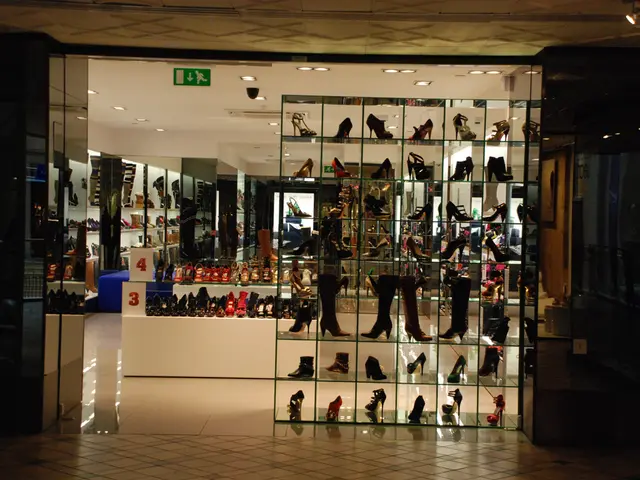
Virtual reality malls are digital shopping platforms that simulate a real-world shopping experience, allowing shoppers to visit multiple shops from the comfort of their homes and compare products without the need for travel. These malls, filled with virtual floors, shops, entertainment areas, and event spaces, are set to become an essential part of the future of retail, as technology advances and more consumers and businesses embrace this innovative shopping environment[1][5].
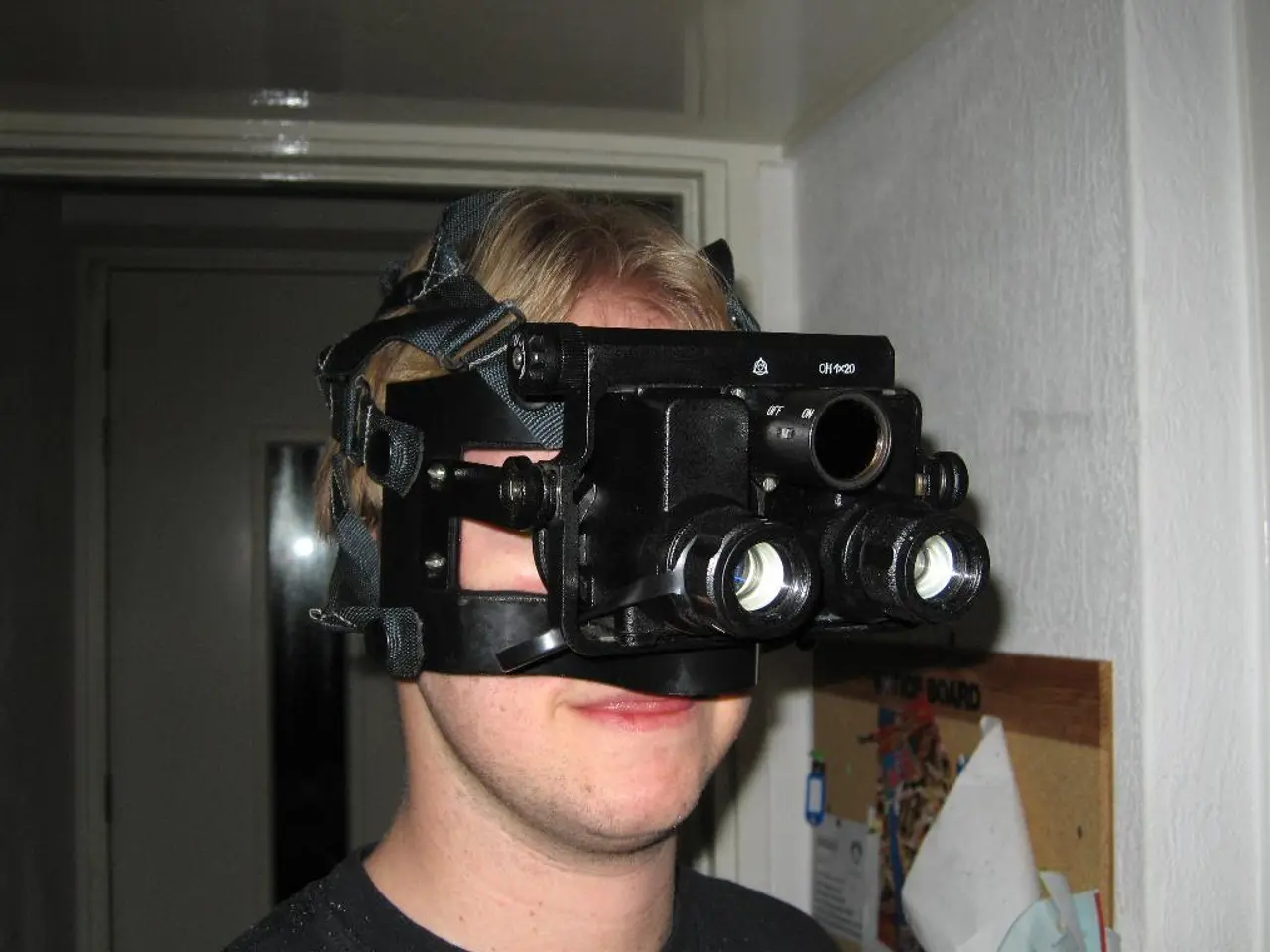
The experience is made possible through a variety of cutting-edge technologies. VR headsets and motion tracking devices immerse users in the virtual mall environment, enabling natural movement like walking, looking around, and interacting with products or digital avatars[1][5]. Advanced graphics techniques such as ray tracing and physically-based rendering (PBR) produce lifelike product images and environments, while real-time GPU rendering ensures smooth, interactive experiences[2].
Augmented Reality (AR) and Extended Reality (XR) extend the shopping experience by allowing virtual try-ons and product visualisations in realistic settings. For example, virtual mirrors let shoppers see how cosmetics look on their face using smartphone cameras, and furniture visualisers simulate how items would fit in home spaces[1][2][3][4].
Artificial Intelligence (AI) and Machine Learning power virtual try-on apps, segmenting the user's body and simulating fabric behaviour using cloth simulation algorithms like the Finite Element Method (FEM). AI also personalises shopping experiences by recommending products based on user preferences and past interactions[2].
Spatial and interactive UX design ensures a dynamic, engaging shopping experience, with users able to walk between floors using virtual stairs, enter shops, and interact with objects or attend virtual events, providing an experience akin to real-world malls[1].
Integrated digital payment systems ensure safe and convenient transactions within the virtual environment, while new developments in touch-sensitive technology will allow shoppers to "feel" products in virtual stores through haptic feedback technology[6].
While virtual reality malls offer a host of benefits, physical stores will continue to exist for those who prefer in-person experiences. However, the convenience and personalisation offered by virtual malls are likely to attract a significant number of shoppers, making them an integral part of the retail landscape[7].
Despite their potential, many consumers are unfamiliar with VR shopping and may be hesitant to adopt this new technology. However, as more people become accustomed to using VR for entertainment and socialising, it is expected that the adoption of VR shopping will increase[8].
In conclusion, the advent of virtual reality malls represents a significant shift in the retail industry. By offering an engaging, lifelike shopping experience that combines the benefits of physical stores and online shopping, virtual reality malls are poised to become an essential part of the future of retail.
References: [1] Virtual Reality Malls: The Future of Retail. (2021). Retrieved from https://www.forbes.com/sites/forbesagencycouncil/2021/03/18/virtual-reality-malls-the-future-of-retail/?sh=68e822d279d6 [2] How Virtual Reality Will Change the Way We Shop. (2019). Retrieved from https://www.wired.com/story/how-virtual-reality-will-change-the-way-we-shop/ [3] The Role of Augmented Reality in Retail. (2020). Retrieved from https://www.forbes.com/sites/forbesagencycouncil/2020/04/27/the-role-of-augmented-reality-in-retail/?sh=5594e17867e6 [4] The Future of Retail: Augmented Reality and Virtual Reality. (2019). Retrieved from https://www.businessinsider.com/the-future-of-retail-augmented-reality-and-virtual-reality-2019-10 [5] The Impact of Virtual Reality Malls on the Retail Industry. (2021). Retrieved from https://www.businesswire.com/news/home/20210318005770/en/The-Impact-of-Virtual-Reality-Malls-on-the-Retail-Industry [6] The Future of Retail: Haptic Feedback Technology. (2020). Retrieved from https://www.forbes.com/sites/forbesagencycouncil/2020/08/27/the-future-of-retail-haptic-feedback-technology/?sh=20b356a6180f [7] Virtual Reality Malls: A New Era for Retail. (2021). Retrieved from https://www.techradar.com/news/virtual-reality-malls-a-new-era-for-retail [8] Consumer Adoption of Virtual Reality Malls: Challenges and Opportunities. (2021). Retrieved from https://www.businessoffashion.com/articles/technology/consumer-adoption-of-virtual-reality-malls-challenges-and-opportunities-051321
With the advent of virtual reality shopping, the lifestyle of consumers may drastically change as they can now immerse themselves in digital malls from home, enjoying a personalized and convenient shopping experience. This new technology also brings a fusion of traditional and online shopping, revolutionizing the retail industry with its lifelike product visualization, virtual try-ons, and AI-powered recommendations.