Forty years since the release of Back to the Future, still embodying a nostalgic trip back in time
In the year 1985, the much-loved movie *Back to the Future* showcased a vision of the future that was both captivating and imaginative. However, as we approach 2025, several of the technologies depicted in the film have become obsolete or have not materialized as imagined.
One of the most notable changes is the demise of rotary (pulse-dial) telephones. In the 1980s, these phones were common, but by 2025 they are completely obsolete, replaced first by phones with dual-tone multi-frequency (DTMF) dialing and then modern cellphones and Voice over IP (VoIP) communications. The rotary dial was slow and cumbersome compared to digital input, making it impractical for contemporary use.
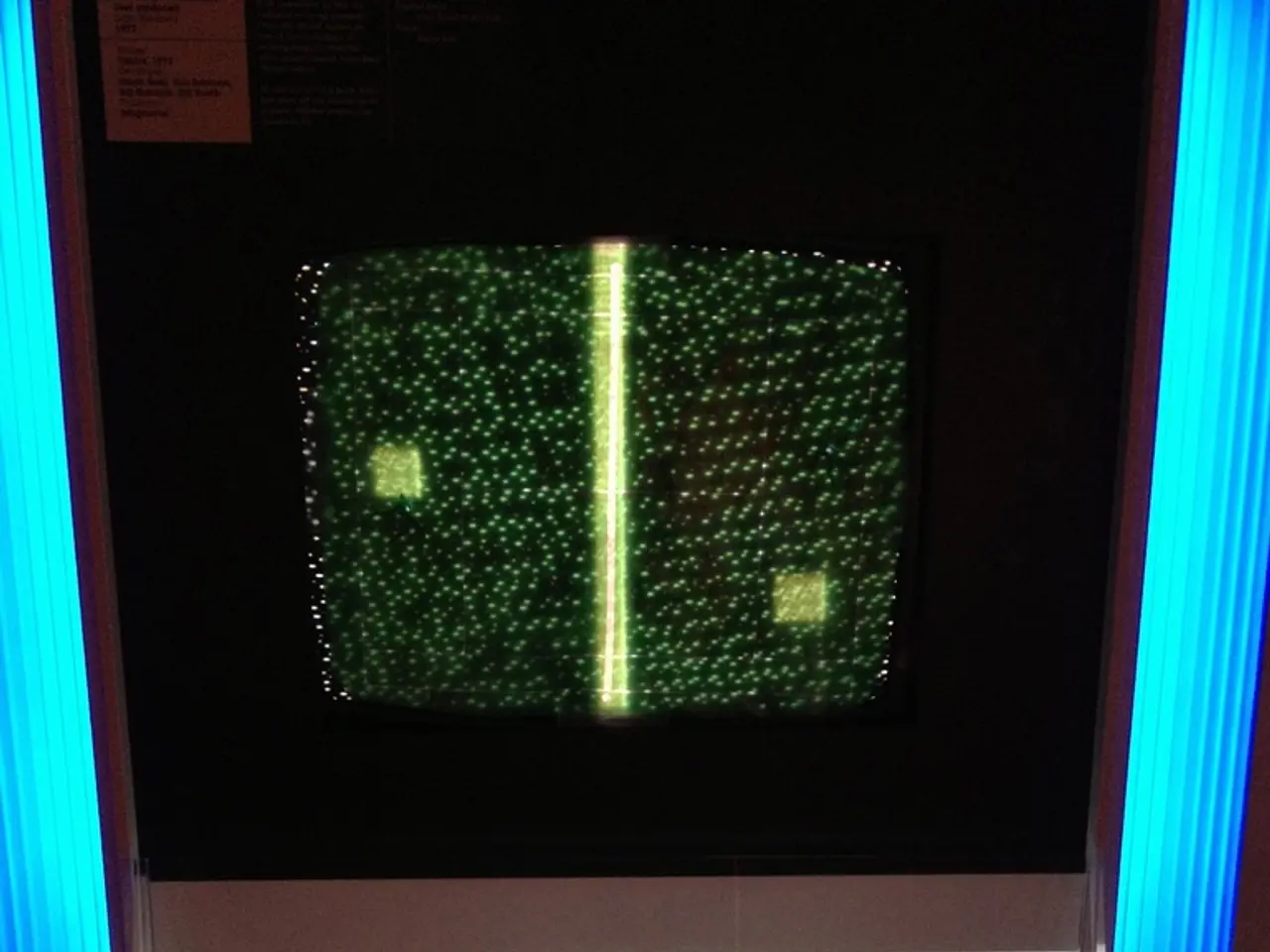
Another area where we've seen significant advancements is in measurement devices. Equipment like cathode-ray oscilloscopes (CRO) and analog voltage-ohm-milliamp (VOM) meters have largely been replaced by digital multi-meters (DMM), which are more versatile and accurate. While nostalgia keeps some analog tools in use among enthusiasts, these devices are obsolete for day-to-day engineering work.
Reel-to-reel magnetic tape recorders, once a common form of audio and data storage, have also been superseded by digital flash storage. The analog media suffered from issues like generation loss and slow rewind/fast-forward processes, problems that digital storage has solved.
The movie also featured some futuristic predictions that have yet to become mainstream. For instance, self-lacing shoes and size-adjusting jackets that dry automatically after being soaked, as seen on Marty McFly, remain impractical and largely unrealized. While wearable tech like smartwatches exists, fabric with these sci-fi capabilities remains elusive.
Another prediction that has yet to come true is the use of fusion power for home energy. The film’s Mr. Fusion Home Energy Reactor converts garbage into clean energy via fusion. While fusion research has made strides, fusion power plants remain large, experimental, and not practical for home use. Continuous, steady, small-scale fusion energy remains decades away.
The movie's depiction of weather control, suggesting it could be "turned off" like a tap by 2015, is still far from reality in 2025. Weather control remains scientifically elusive and has not advanced to a practical or commercial level.
The movie, set in two periods, 1985 and 1955, celebrated the advanced technology and fashions of 1985. It used hand-held video cameras that recorded to VHS tape, a technology that has since been replaced by digital counterparts. The old video standards, NTSC and PAL, didn't accommodate more than 30 frames-per-second, a limitation that has been overcome with modern digital technology.
Old CRT televisions were common in 1985, but LCD displays have since become more common. The only digital clock in the movie is a split-flap, a technology that has been largely replaced by digital displays. Cordless telephones were insecure and had their radio frequencies cut out due to technical vulnerabilities, and remote controls were not common for old televisions.
The movie also showcased some technologies that remain in use today, such as the Variac controller, now owned by ISE, Inc., and the push-button Seeburg vinyl jukebox, which have been replaced by Bluetooth speakers and smartphones in modern times.
In conclusion, many obsolete technologies from the movie’s era, like rotary phones and analog meters, have been replaced by digital counterparts, while some futuristic predictions like self-tying clothes and home fusion energy remain unrealized or impractical in 2025.
- The invention of DIY Arduino projects, combining hardware, technology, and entertainment, has seen a rise in popularity among lifestyle enthusiasts, as the compact microcontroller board offers versatility in creation and implementation of various projects.
- Radio, once a significant source of home entertainment in the 1980s, has been overshadowed by digital technology, as smartphones and streaming services now dominate the music landscape, providing a wealth of options and greater convenience.
- Utilityening the household with DIY technology such as an Arduino-based energy meter, one can monitor consumption and check for inefficiencies, a far cry from the obsolete cathode-ray oscilloscopes and analog voltage-ohm-milliamp meters used in the past.