
Boosting Sales in Retail and Hospitality through Innovative Engagement Strategies
In the ever-evolving landscape of retail and hospitality, technology integration has reached new heights, propelled by the pandemic's demands for enhanced customer experiences and operational efficiency.
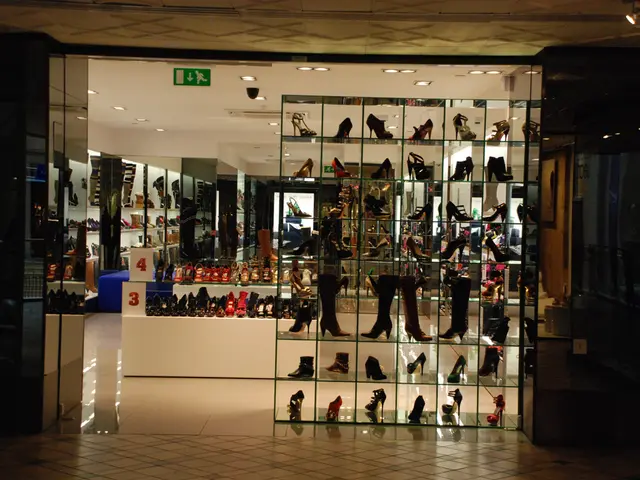
The current state of technology adoption in these sectors is characterised by the rapid adoption of Artificial Intelligence (AI), Augmented Reality (AR), smart building technologies, and advanced automation. This transformation has been instrumental in shaping ambiance, reinforcing brand identity, and enhancing communication.
One of the most significant impacts of the pandemic has been the acceleration of technology adoption. Retailers and hospitality providers needed contactless and personalised experiences, leading to stronger integration of AI for predictive analytics, dynamic pricing, and personalised upselling in hotels and stores, as well as digital menus and ordering in restaurants.
Consumer trends are also shaping the future of retail and hospitality. Customers increasingly expect omnichannel experiences, such as AR “try before you buy” in retail to reduce purchase hesitation and interactive digital concierge services in hospitality. Social media platforms like TikTok and WeChat have evolved into direct booking channels, reflecting new consumer booking behaviours.
Innovative solutions are enhancing customer experiences across both sectors. In retail, AI-powered shelf labels, AR-based wayfinding/navigation, and AR-enhanced planogram compliance help both consumers and employees engage more effectively with products and store environments. The use of AR devices supports operational tasks such as shelf arrangement and inventory management, enhancing efficiency and shopping quality.
In hospitality, smart building interfaces and modular, robotically fabricated architectural elements enable spaces to respond dynamically and sustainably to guests. AI integration is ubiquitous across booking engines, revenue management, and guest services, creating hyper-personalized stays and maximising hotel revenue via direct bookings and upselling.
Platform consolidation and ecosystem evolution are also key aspects of the current transformation. Platforms are consolidating, with an emphasis on open APIs and interoperability across booking, distribution, and operational tools. Marketplaces beyond Online Travel Agencies (OTAs) are emerging, providing alternative distribution channels in hospitality.
Sustainability and design innovation are also crucial components of the transformation. Innovations like MX3D’s robotic metal 3D printing enable efficient, customised, low-waste construction for hospitality spaces, aligning with growing environmental concerns and design freedom in physical environments.
Looking ahead, 2025 and beyond will see retail and hospitality sectors leveraging AI, AR, and automated manufacturing to create deeply personalised, efficient, and sustainable customer experiences. Technologies deployed during the pandemic have become foundational, with ongoing innovation focused on blending digital intelligence seamlessly into physical environments and consumer journeys.
- The integration of technology in retail and hospitality industries has led to the widespread use of AI for predictive analytics, personalized upselling in stores, and dynamic pricing, signage playing a significant role in communicating these changes.
- Innovations like AR-based wayfinding/navigation, interactive digital concierge services, and AI-powered shelf labels are events transforming retail, aiming to provideomnichannel experiences and engagement with products for both consumers and employees.
- In the hospitality sector, smart building interfaces and robotically fabricated architectural elements are being used to create spaces that can respond dynamically and sustainably to guests, while AI is ubiquitous across booking engines, revenue management, and guest services.
- Platform consolidation and ecosystem evolution are crucial aspects of the current transformation, with a focus on open APIs and interoperability across booking, distribution, and operational tools, enabling businesses to adapt to the changing retail and hospitality landscape.
- As we look to the future, especially 2025 and beyond, the retail and hospitality sectors will continue to leverage AI, AR, and automated manufacturing to create deeply personalized, efficient, and sustainable customer experiences, integrating digital intelligence seamlessly into physical environments and consumer journeys.