
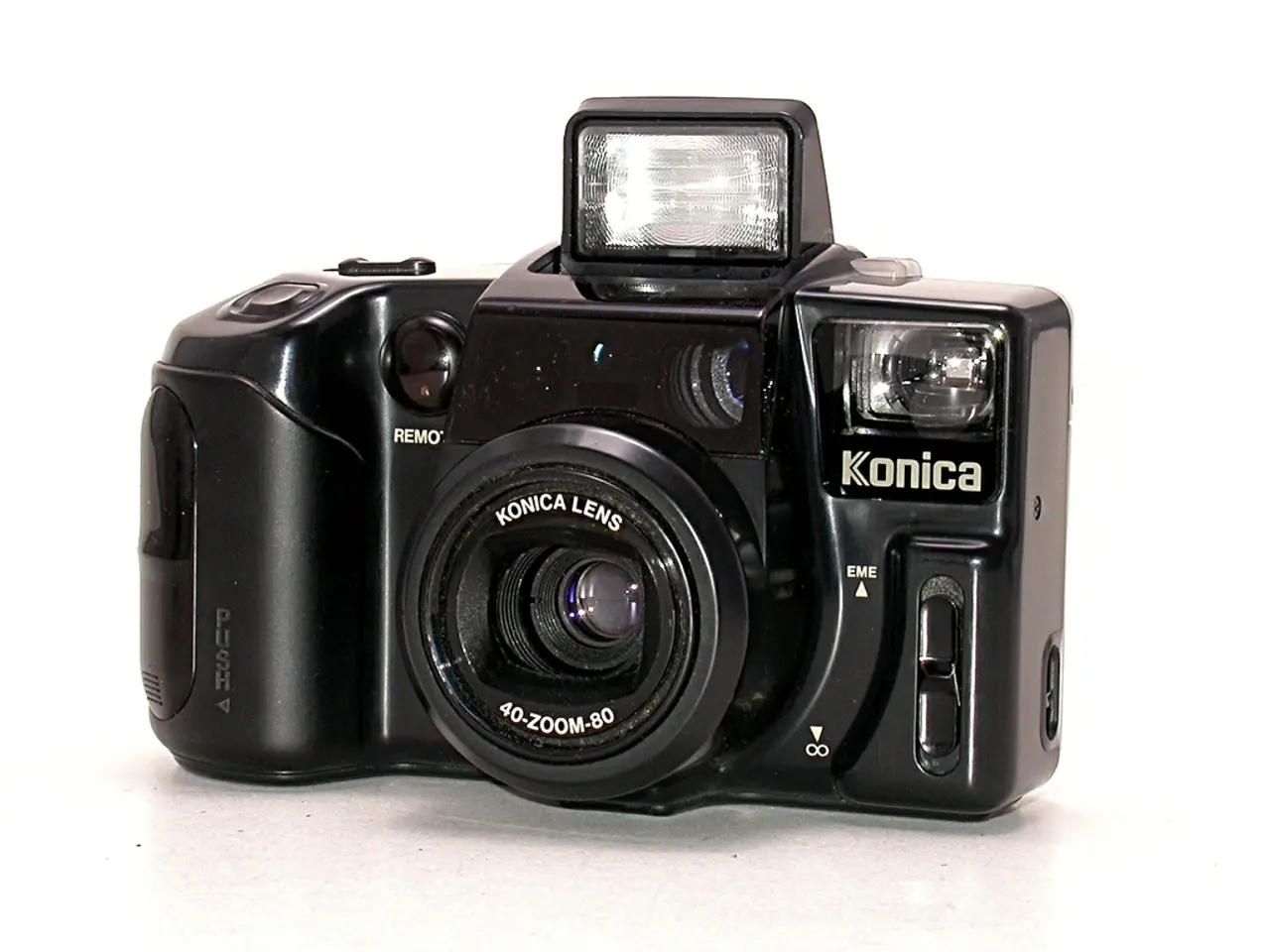
Analysis: Digital camera manufacturers are seemingly fixated on replicating the traditional experience of film photography in their modern devices.
In the digital age, an intriguing trend has emerged: modern camera companies are recreating the feel and architecture of film cameras in their digital devices. This shift, driven by shifting consumer desires and a broader cultural nostalgia for analog experiences, has seen the continuation of film photography even after earlier predictions about its "death."
## Key Drivers Behind the Trend
The appeal of these film-inspired cameras lies in their ability to offer a more intentional and immersive photography experience, harkening back to the slower, more deliberate process of shooting film. Cameras like the Echolens aim to recreate the physical interaction of film cameras—optical viewfinders, winding cranks, and the absence of a rear screen—while still leveraging digital technology for convenience and connectivity.
Many photographers and consumers value the unique look and character of film images. Digital cameras now often include film simulations or "recipes" that mimic the color, grain, and mood of classic film stocks. The Fujifilm X100VI, for example, is celebrated not just for its technical capabilities but for its retro design and in-camera film simulations that allow users to achieve analog-inspired results straight out of the camera.
Despite the dominance of digital technology, film has experienced a notable resurgence, particularly among younger, smartphone-native users who seek a tangible, hands-on experience distinct from the ephemeral nature of smartphone photography. The Pentax 17, a modern half-frame film camera, is specifically marketed to this generation, emphasizing the joy and simplicity of analog shooting.
## Why Earlier "Death of Film" Predictions Were Premature
Film photography offers an emotional and sensory experience that digital has struggled to replicate. The anticipation of waiting to see developed photos, the physicality of handling film, and the uniqueness of each shot all contribute to a deeper connection with the process—qualities that many users now seek to recapture in a digital format.
Camera manufacturers recognize that in a market saturated with highly capable smartphones, offering a distinctive, retro-inspired experience can help digital cameras stand out. By blending analog charm with digital convenience, companies can attract both enthusiasts and casual shooters looking for something different from their phone camera.
The rise of social media platforms that celebrate imperfection and authenticity has fueled interest in film and film-like aesthetics. Images shot on—or made to look like—film are often perceived as more "authentic" or "artistic," further driving demand for cameras that deliver this look and feel.
## Summary Table: Analog Feel in Modern Digital Cameras
| Feature/Aspect | Analog Inspiration | Digital Advantage | Example Cameras | |------------------------|-----------------------------------|-------------------------------------------|-------------------------------| | Design/Interface | Optical viewfinder, tactile dials | Wireless transfer, app integration | Echolens, Fujifilm X100VI | | Image Aesthetic | Film simulations, grain effects | Instant review, editing flexibility | Fujifilm X100VI | | Shooting Experience | Deliberate, screen-free shooting | No film costs, immediate results | Echolens, Pentax 17 | | Target Audience | Nostalgic enthusiasts, creatives | Tech-savvy, social media users | All |
## Conclusion
The re-creation of film camera feel and architecture in digital devices reflects a blend of nostalgia, creative desire, and market strategy. Far from signaling the death of film, the continued fascination with analog experiences has prompted camera companies to innovate by merging the best of both worlds—delivering the tactile, emotional, and aesthetic appeal of film through the convenience and connectivity of digital technology.
Independent camera shops and eBay have vintage SLRs and snapshot 35mm film cameras available for those interested in exploring the authentic film photography experience. For those seeking a more modern approach, cameras like the Echolens, Fujifilm X100VI, and Pentax 17 offer a blend of film aesthetics and digital convenience.
The author invites readers to share their opinions on the topic by emailing [email protected]. It is important to note that while this article aims to provide an informative overview of the current trends in the photography industry, it does not endorse the views expressed in it.
[1] Echolens: https://echolens.co/ [2] Fujifilm X100VI: https://www.fujifilm.com/products/digital_cameras/x/x100v/ [3] Pentax 17: https://www.pentax.com/us/cameras/pentax-17/penta-17/overview
- The rise in popularity of film-inspired cameras, such as the Echolens and Fujifilm X100VI, is not only driven by nostalgia and a desire for a more intentional photography experience, but also by the ability to leverage technology for convenience and connectivity.
- The persistent interest in film photography among younger, smartphone-native users, combined with the emotional and sensory experience offered by film cameras, has led to the continuation of this analog format, despite the dominance of digital technology in sports, lifestyle, and technology sectors.